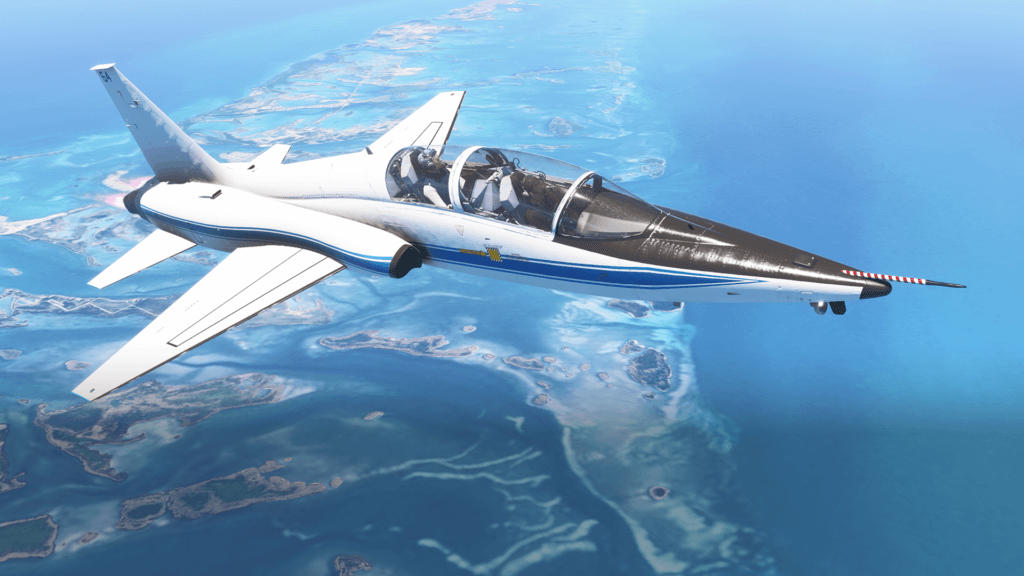
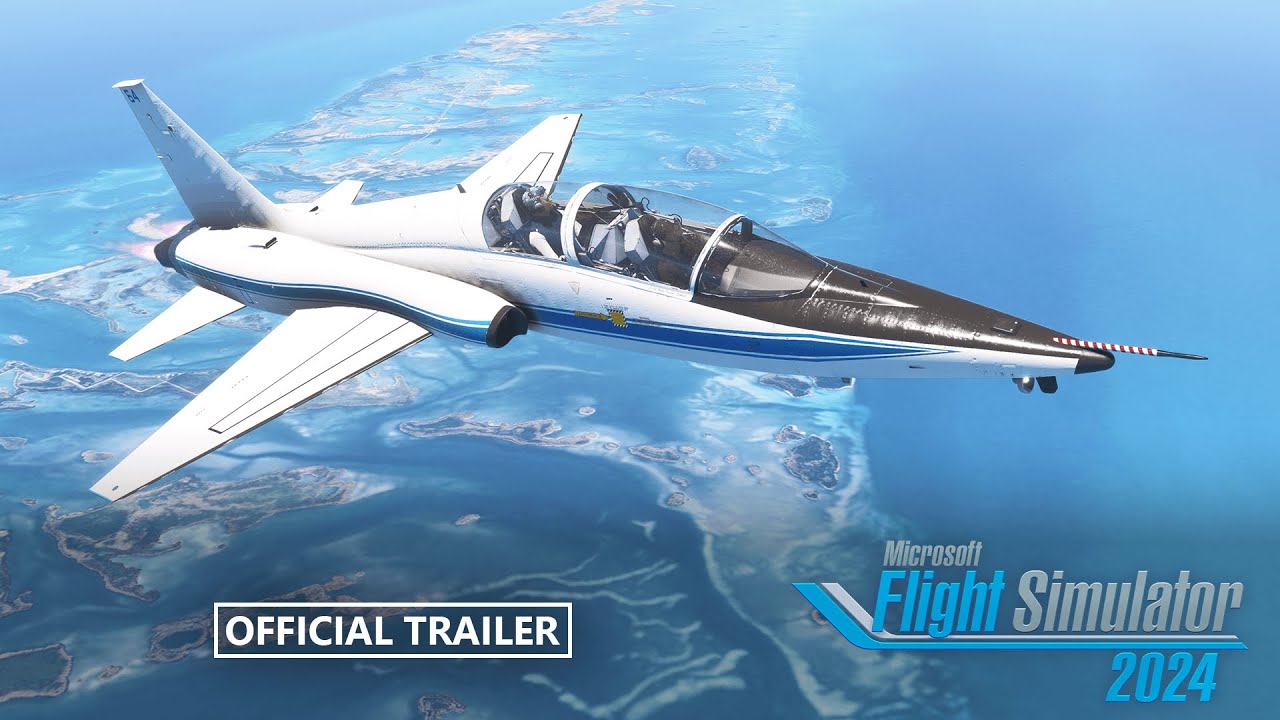
An iconic and historic performer, the T-38A provides pilots an exhilarating experience from take-off to landing
Enduring Legacy of the Talon
Born from the concept for a next-generation lightweight fighter, the T-38 Talon has left an indelible mark on the history of aviation. Developed and manufactured by American aircraft company Northrop, the T-38A Talon is a 2-seat, twin-engine military jet airplane focused on training and education roles. The A variant of the supersonic T-38 is the principal production version of the airframe family. It has been modified for specialized roles and upgraded to a modern version, the T-38C. In addition to its primary applications of forging aviators and refining their capabilities, the Talon has performed experimental test flights and specialized operations for the National Aeronautics and Space Administration (NASA), among others. Northrop manufactured just under 1,200 Talons during a production run that spanned from 1961 to 1972. The militaries of several nations have used the Talon, and it remains in service in the United States, Turkey, and Germany due to its superb design.
Rooted in Performance
The T-38 traces its history to Northrop’s N-102 Fang, a concept for an inexpensive, high-performance, lightweight fighter that the company proposed to the United States Air Force in 1952. While the Air Force did not express interest in the Fang, the project (which yielded a mock-up but never a functional model) provided operational inspiration for their 1955 initiative, the N-156.
The N-156 was a planned twin-engine, lightweight, supersonic fighter intended for the U.S. Navy to operate from small aircraft carriers. The project was based on the recently released General Electric J85, a small, powerful afterburning turbojet engine. Ultimately cancelled due to low interest by the Navy, Northrop took the basic design of the N-156 to the U.S. Air Force, which had recently issued a request for a supersonic trainer. The Air Force chose Northrop’s N-156 design in June of 1956 and designated the project “T-38.”
The design of the T-38 features a low-mounted main wing with a highly swept leading edge, a standard empennage, and a retractable tricycle undercarriage. It has a tandem seating arrangement in its cockpit, with the rear seat, which is slightly higher than the front seat, designated for the instructor. It is powered by twin J85-5A afterburning turbojet engines, each of which generates up to 2,680 pounds of thrust in military power and up to 3,850 pounds with afterburner. The engines are mounted side-by-side within the aircraft’s fuselage with exhausts protruding from the aircraft’s tail.
Commanding the Sky
The first prototype of the Talon, the YT-38, took its maiden flight on April 10, 1959. The first production variant of the aircraft, the T-38A, entered service with the U.S. Air Force on March 17, 1961. Northrop manufactured a total of 1,139 A models, the majority of the production run of just under 1,200. In addition to the U.S. Air Force, the U.S. Navy has used the T-38A for training, and NASA has used a modified variant of it (designated the T-38N) for training, observation flights during Space Shuttle landings, and as a test bed aircraft for experimental research.
The T-38A was formerly used by the militaries of Portugal, Korea, and Taiwan. An upgraded version of the T-38A, the T-38C (which features a glass cockpit and a heads-up display), remains in service in Germany, Turkey, and the United States. The U.S. Air Force uses the T-38C to train pilots for the F-15C Eagle, the A-10C Thunderbolt II, and the F-22 Raptor. Over the airframe family’s lifespan, The T-38 has trained tens of thousands of pilots, making it one of the most influential aircraft in the history of aviation.
The T-38A Talon measures 46 feet, 5 inches in length, stands 12 feet, 11 inches tall, and has a wingspan of 25 feet, 3 inches. It has a range of 1,140 miles, a service ceiling of 55,000 feet above sea level, and a climb rate of 33,600 feet per minute. The Talon has a top speed of 829 miles per hour, or Mach 1.08, at sea level, and Mach 1.3 at 30,000 feet.
Microsoft Flight Simulator 2024 is available for Xbox Series X|S and PC with Xbox Game Pass, PC Game Pass, Windows, PlayStation 5, PlayStation 5 Pro, and Steam, and on Xbox One and supported mobile phones, tablets, and lower-spec PCs via Xbox Cloud Gaming. For the latest information on Microsoft Flight Simulator, stay tuned to @MSFSOfficial on Twitter.